

Why Does Vulnerability Matter?
Story by V. Michelle Bernard with reporting from Tompaul Wheeler
The experts who were interviewed in the January/February 2026 feature, “Do We Have Our Priorities Straight?” talked about the importance of vulnerability and how participating in a healthy community can help in one’s healing journey and satisfaction in life. Here is a survey of some of the highlights:
Authenticity is the currency of leadership, says MyRon Edmonds, a life coach who specializes in helping people prioritize their lives. “People are not as inspired by your successes as they are by your struggles and how you've overcome [them].”
Edmonds adds that vulnerability and transparency is a very powerful tool in the hands of a leader. “I think sometimes leaders assume wrongly that people will respect me more if I have less problems. And the reality is, people respect you more when you are genuine and you are authentic about how you are like them. He adds that, in reality, “we’re all in the process of sanctification and growth and development and healing.”
Miya Thomas, a therapist in Maryland, adds that women, both in the church and in society at large, also struggle with an intolerance of vulnerability. “We feel we have to hold it all together, not share, not open up, not really talk about the things that are going on. … We don’t want to be perceived as weak or unattractive.”
She equates the often-used phrase, “awareness is half the battle” to “self-awareness.” She adds, “[Being self-aware] of your weaknesses, strengths, difficulties and struggles helps you move through life much more aware and mindful. And if you can be aware and mindful, then you can be much more focused on relying on God and be able to get that support that you need from God and from others to be able to just be a better human.”
Dee Casper, pastor of Pennsylvania Conference’s Pottstown and New Tripoli churches, adds that until people acknowledge their problems, they are going to feel lonely.
He says that the point of having a church community is “to provide a space where people can be honest. “You know, there's challenges that we face because the church generally doesn't look like a safe place. [Theologian] Dietrich Bonhoeffer talks about this, [noting] the reason why we can feel lonely while in fellowship with other believers is because we're in fellowship with people who are “pious” and “not sinners”. … And [Bonhoeffer] says, the mask you wear in the presence of other people won't do anything in the presence of God. And, so, I think we have to be honest with the fact that we do have problems.”
One part of the anecdote to loneliness can be shared beliefs, mission-minded goals and service opportunities. “All of those are different ways to be able to instill and cultivate that sense of belonging and connectedness, which will absolutely override the sense of past failures or maladaptive lifestyle coping strategies that individuals have resorted to,” shares Walleska Bliss, a psychologist and member of Chesapeake Conference’s Middletown (Md.) church.
She notes programs in addition to church community, like Alcoholics Anonymous, Al- Alon—for caregivers of individuals struggling with alcohol— or similar programs for those struggling with other unhealthy behaviors that can provide a sense of community and healing. “These groups are powerful because they help those involved find a shared common purpose for healing, a pathway forward and a structure to help hold one another accountable,” she says.
She adds that people struggling “would definitely benefit from leaning into the promises of God's Word—individually, but also sharing and partaking in different types of group experiences. Whether it's prayer meetings or small groups, activities that build trust and rapport can help to strengthen individuals from all walks of life. So, I would say that … having individuals participate in these [types of groups] promote social connection … and would definitely result in a more sense of belonging and meaning.”
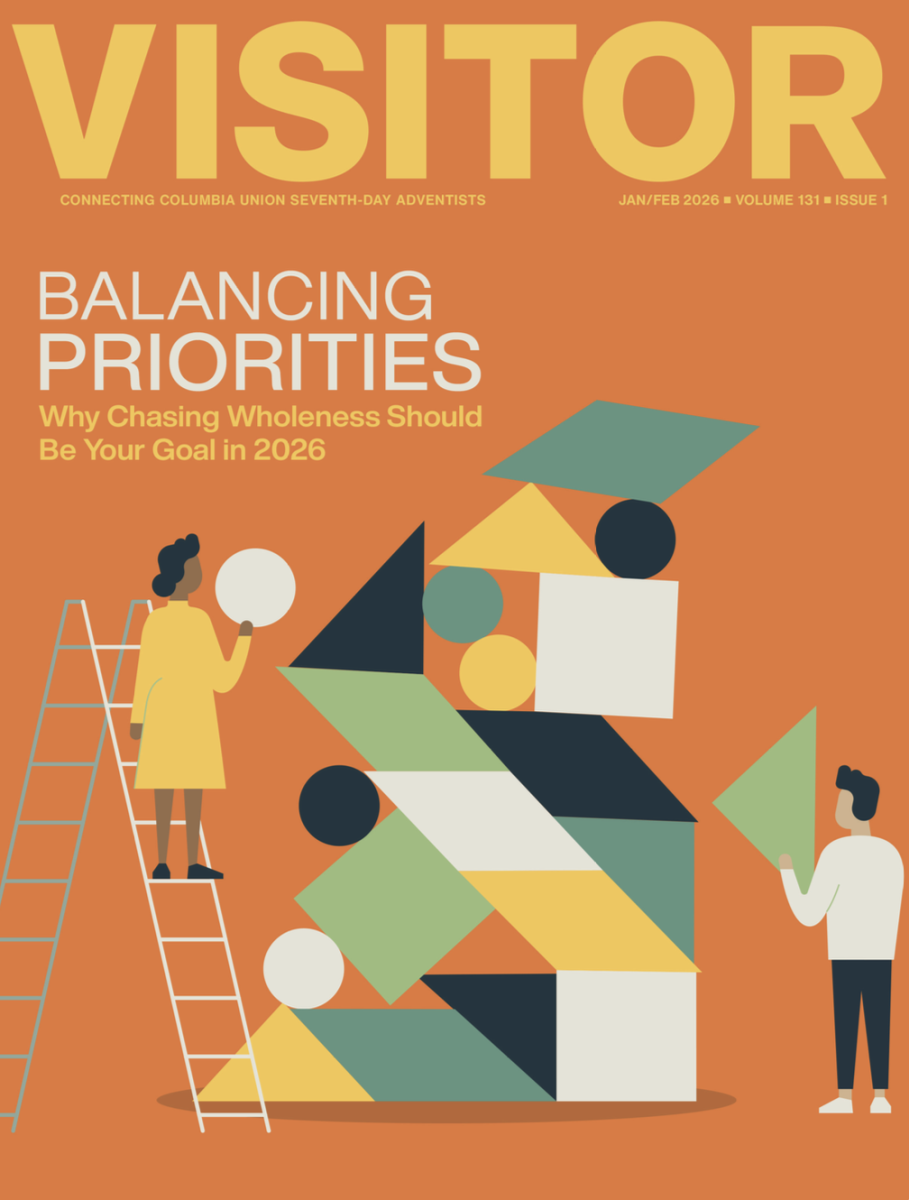 Read More from the January-February 2026 Visitor:
- Editorial: Step Into Whole Person Living
- Feature: Do We Have Our Priorities Straight?
- Pray With Us in 2026
- Want an Extra 2026 Calendar?
- Share Your Table in 2026
- What Did a Global Survey Find About Adventist Pastors?
- Why Does Vulnerability Matter?
- Read Articles in Spanish
- Read more "Web" Exclusive" Articles From This Issue
Add new comment